
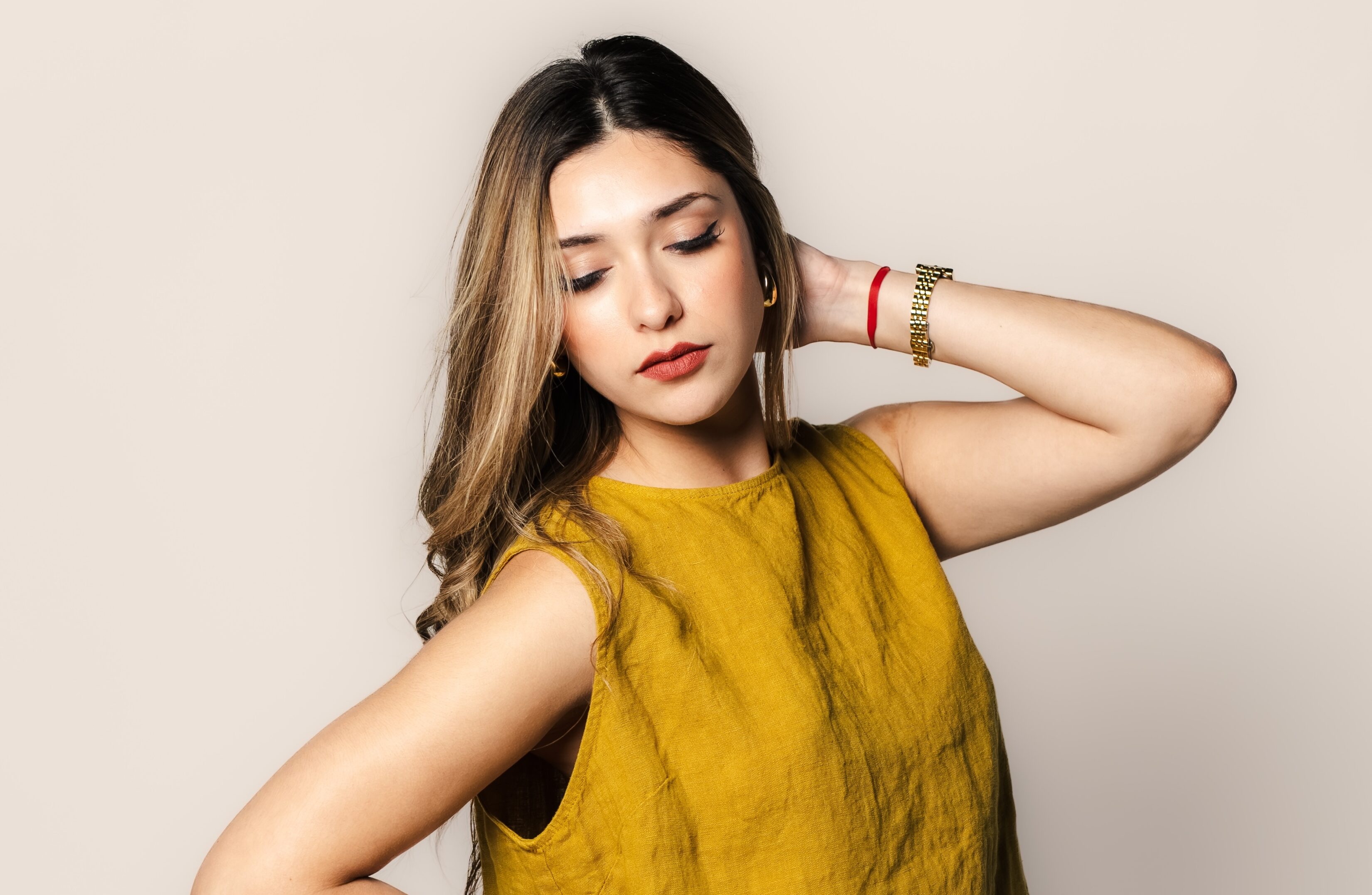
Every portrait tells a story. Sometimes it is expressed through a quiet glance, sometimes through confident movement, and sometimes through the subtle relationship between light, color and emotion.
Portrait photography is more than photographing a face. It is the art of revealing personality, preserving authentic moments and creating images that feel meaningful long after they are taken.
At Kifi Studio, based in Naples, Italy, our approach combines carefully crafted studio portraits, natural-light photography, outdoor locations and creative post-production. From timeless portraits to contemporary fashion editorials, each image is shaped by light, composition, styling and the individuality of the person in front of the camera.
In this guide, we explore the creative process behind professional portrait photography, including lighting techniques, posing, studio and outdoor sessions, Lightroom editing and the importance of a consistent visual style.
1. The Art of Portrait Photography
A compelling portrait is not simply a technically perfect photograph. It establishes a connection between the subject and the viewer.
The most memorable images often contain something subtle: a natural expression, beautiful directional light, an elegant pose or a background that adds context without distracting from the subject.
Portrait photography can take many forms, including personal portraits, fashion editorials, professional headshots, lifestyle sessions and expressive artistic photography.
What connects these styles is the desire to capture an individual with intention and authenticity.
What Makes a Portrait Stand Out?
- Authentic expression: Capturing genuine confidence, emotion and personality.
- Beautiful lighting: Using natural or controlled light to define the face and create atmosphere.
- Thoughtful composition: Directing attention toward the subject without unnecessary distractions.
- Personal styling: Choosing clothing, colors and details that support the visual story.
- Professional editing: Refining color, tone and skin detail while preserving natural textures.
2. Studio Portrait Photography — Light, Elegance and Control
Studio portrait photography offers the freedom to shape every part of an image, from the direction of light to the mood of the background.
Unlike outdoor photography, where sunlight and weather continuously change, a studio provides a controlled environment in which lighting, composition and styling can be developed with precision.
Soft, diffused light can create a graceful and flattering portrait, while more directional lighting introduces contrast, texture and dramatic shadows.
For fashion and editorial photography, studio lighting also helps emphasize the structure of clothing, the richness of fabric and the subtle details of a pose.
Creating Soft and Timeless Studio Portraits
A large softbox or diffused light source placed slightly to one side of the subject can produce gentle facial transitions and elegant highlights. A reflector may be used to soften the shadows, while carefully selected backgrounds keep the composition clean.
Warm tones and restrained contrast can create a timeless editorial atmosphere, especially when paired with expressive posing and carefully chosen styling.
At Kifi Studio, we believe studio photography should feel intentional rather than artificial. The goal is to use controlled light to reveal personality, not to overpower it.
Explore Kifi Studio’s Studio Photography Portfolio ↗
3. Outdoor Portrait Photography — Natural Light and Real Atmosphere
Outdoor portraits offer something that cannot be completely recreated inside a studio: the spontaneous beauty of natural surroundings.
Sunlight filtering between buildings, soft shadows along old streets, textured walls and changing colors throughout the day can all contribute to an expressive photograph.
In a city such as Naples (Napoli), centuries-old architecture, narrow historic streets and distinctive urban textures provide exceptional environments for portrait and fashion photography.
The most successful outdoor portraits use their surroundings as part of the composition while keeping the subject at the center of attention.
Working with Natural Light
Early morning and late-afternoon light often produce a softer appearance than direct midday sunlight. Open shade is especially useful when creating flattering portraits with balanced skin tones and reduced contrast.
During golden hour, sunlight can add warmth and atmosphere. On cloudy days, the sky becomes a large natural diffuser, producing gentle and even illumination.
Photography tip: Before choosing a camera angle, pay attention to the direction of light and the brightness of the background. A small change in position can dramatically improve the balance and mood of a portrait.
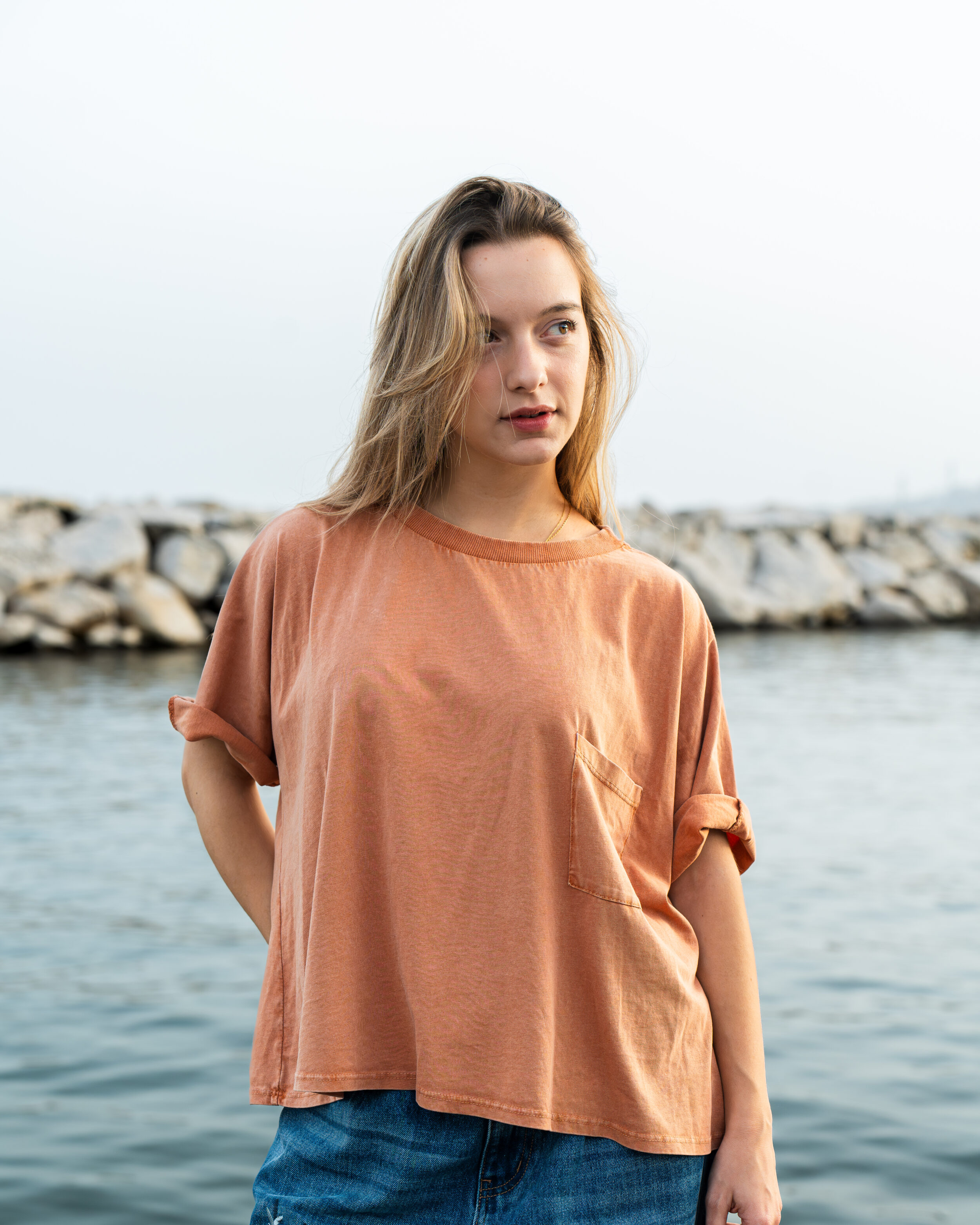
4. Fashion and Editorial Portraits in Historic Naples
Fashion portraiture combines the personality of the subject with the creative language of clothing, architecture and visual storytelling.
Rather than relying entirely on a neutral background, outdoor fashion photography can create a conversation between the model’s styling and the surrounding environment.
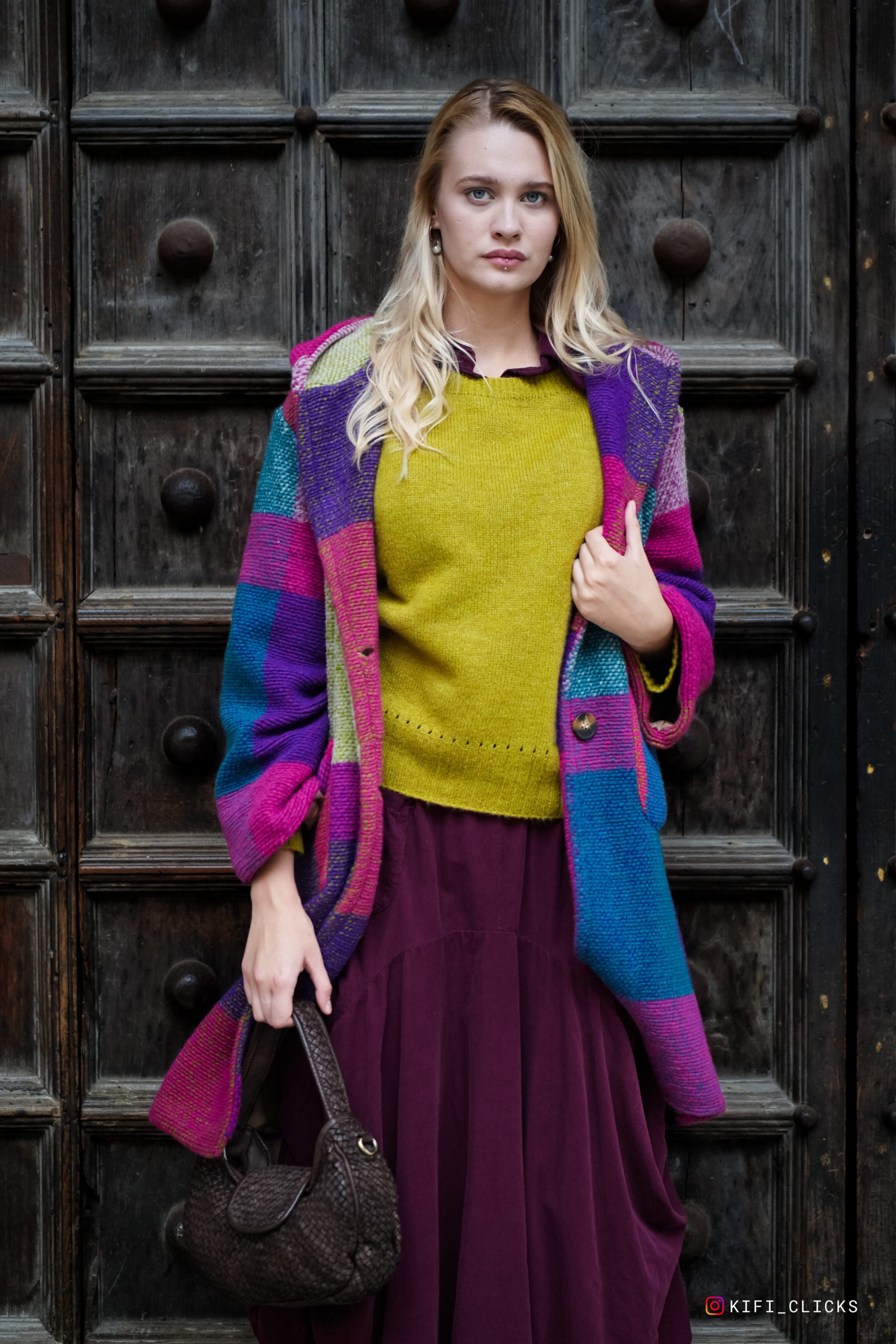
Naples offers an especially inspiring setting. Its historic doorways, weathered façades, cobbled streets and warm architectural tones create expressive backgrounds for contemporary fashion photography.
Color, Texture and Styling
A colorful knitted outfit can stand out beautifully against a dark wooden doorway, while modern streetwear creates interesting contrasts against traditional Italian architecture.
Carefully considered color relationships are essential. Complementary tones may add energy, while more harmonious palettes create a softer, sophisticated editorial look.
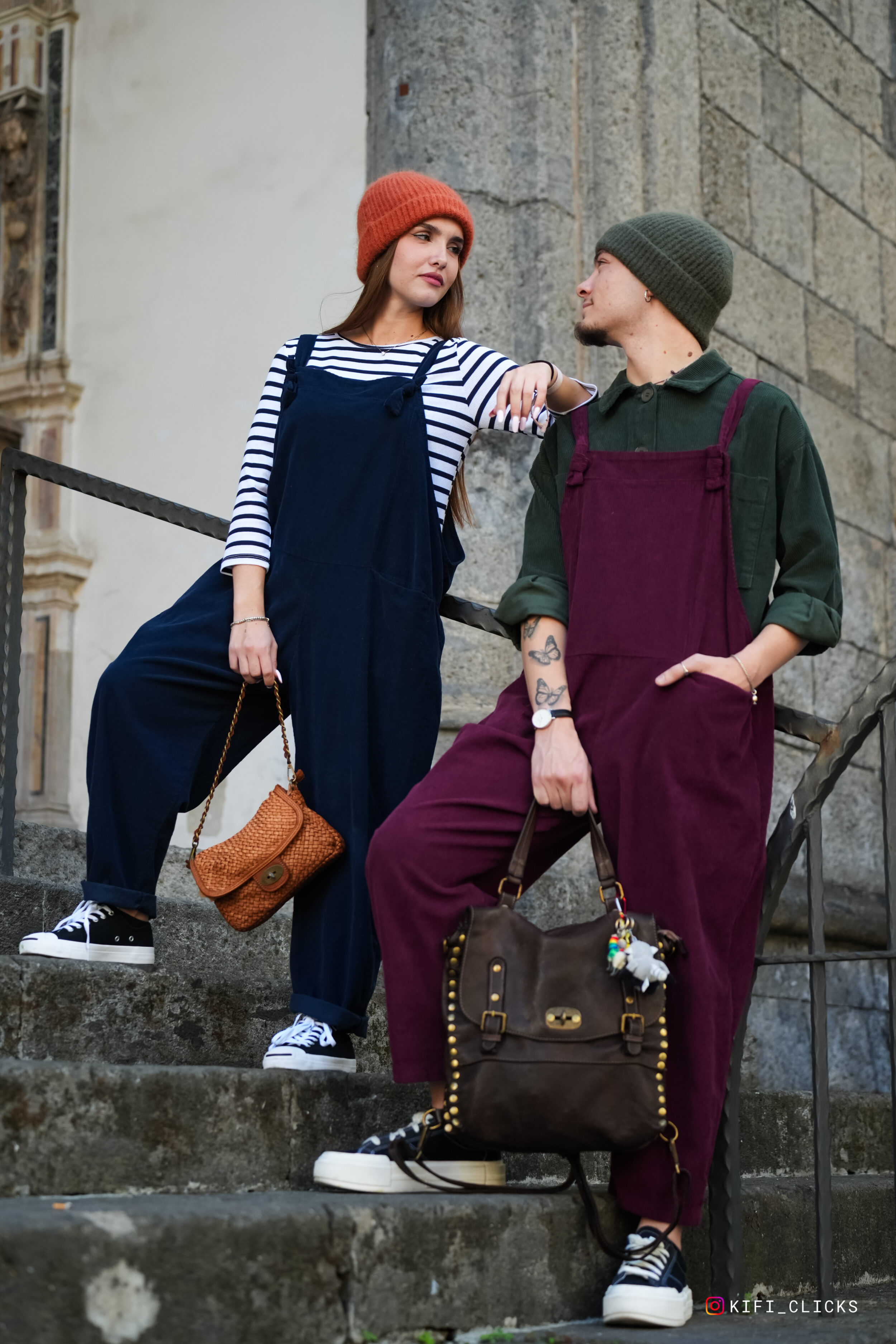
Contemporary Street Fashion Portraits
Street fashion photography embraces movement, personal style and the character of a location.
Colorful outfits, casual accessories and confident body language can bring modern energy to historic surroundings. The result is a portrait that feels connected to both fashion and place.
At Kifi Studio, outdoor editorial work explores these contrasts, combining creative styling with the architectural identity of Naples.
Discover Kifi Studio’s Fashion Photography Portfolio ↗
5. Posing, Expression and Building Confidence
One of the most important skills in portrait photography has little to do with camera settings: helping someone feel comfortable in front of the lens.
Not everyone arrives at a photoshoot knowing how to pose, and that is completely natural.
Clear communication, a relaxed atmosphere and gentle direction can make a remarkable difference. Instead of asking for rigid poses, photographers can encourage small movements, natural gestures and subtle changes in posture.
Simple Posing Techniques
- Relax the shoulders: Tension is often visible in the upper body and face.
- Create natural movement: Walking, turning or adjusting an accessory can produce authentic expressions.
- Use the hands thoughtfully: Simple gestures add elegance without making a pose appear forced.
- Explore different angles: Small camera-position changes can alter the entire composition.
- Encourage genuine expression: Conversation often creates more engaging portraits than repeated instructions to smile.
The strongest poses rarely feel overly constructed. They allow the personality and confidence of the subject to emerge naturally.
6. Professional Portrait Editing and Color Grading
The creative process does not end when the camera shutter closes.
Portrait photo editing is an essential part of developing a finished image, helping refine exposure, tonal balance, color harmony and the overall atmosphere of a photograph.
Applications such as Adobe Lightroom and Photoshop offer photographers precise control over both global adjustments and smaller details.
Our Approach to Natural Skin Tones
Portrait editing should complement the person in the photograph rather than fundamentally change how they look.
Correcting white balance, balancing highlights and shadows, and carefully managing color are often more important than heavy retouching.
Where appropriate, subtle skin retouching can reduce temporary distractions while preserving natural texture, facial detail and individual character.
Creative Lightroom Color Grading
Color grading helps establish a visual identity across a collection of photographs.
Warm editorial tones can create a soft, elegant atmosphere, while cooler shadows and restrained saturation may produce a cinematic or moody feeling.
The most effective editing style is not necessarily the most dramatic. It is the one that supports the original light, subject and story.
7. Lightroom Presets — Creating a Consistent Photography Style
Adobe Lightroom presets are saved editing adjustments that help photographers establish a recognizable visual style and maintain consistency across a series of images.
They can provide an efficient starting point for exposure, contrast, color balance, tonal curves and creative grading.
For example, a warm portrait preset may emphasize gentle highlights and natural skin tones, while a moody editorial look may introduce deeper shadows and a more restrained color palette.
However, presets are not a substitute for thoughtful editing. Different lighting conditions, skin tones and camera exposures still require individual adjustments.
At Kifi Studio, creative color editing is an important part of our photographic approach, helping unite studio portraits, outdoor fashion images and lifestyle photography into cohesive visual collections.
Explore Kifi Studio’s Photography and Creative Services ↗
For information about our portrait editing approach and Lightroom-inspired looks, explore our creative services. Preset availability can be confirmed through Kifi Studio.
8. Backgrounds, Props and Creative Composition
A well-chosen background adds meaning to a portrait without competing with the subject.
In the studio, simple backdrops help emphasize expression, fashion and carefully controlled lighting. Outdoors, architectural features, historic walls, doorways and surrounding streets can become valuable elements of the composition.
Props and accessories should feel natural within the visual story. A jacket, handbag, piece of jewelry or other styling detail may give the subject something to interact with while adding context to the photograph.
Keeping Attention on the Subject
- Choose backgrounds that complement clothing and skin tones.
- Check for distracting objects behind the subject.
- Use depth of field intentionally rather than blurring every background.
- Look for natural framing through doorways or architectural features.
- Consider how background lines and shapes guide the viewer’s eye.
Creative composition brings these elements together, balancing the subject with the atmosphere of the surrounding environment.
9. Practical Camera and Lighting Tips
There is no single perfect camera setup for portrait photography. The appropriate lens, aperture and lighting arrangement depend on the location and the effect you want to create.
| Technique | Creative Purpose |
|---|---|
| 85mm portrait lens | Flattering perspective and comfortable shooting distance |
| 35mm or 50mm lens | Environmental and lifestyle portraits |
| Wide aperture | Subject separation and soft backgrounds |
| Large softbox | Soft, controlled studio lighting |
| Reflector | Gentle shadow fill and balanced facial lighting |
| Diffuser | Softer illumination in direct sunlight |
| ND filter | Using wider apertures in bright light when exposure limits require it |
Polarizing filters can also be useful for managing some environmental reflections, although they are not an essential tool for every portrait session.
Good lighting, communication and composition will usually influence the final result more than purchasing additional accessories.
10. Portrait Photography with Kifi Studio in Naples
Based in Naples, Italy, Kifi Studio explores portrait photography through a combination of studio technique, contemporary fashion, natural light and the character of real locations.
Our creative work embraces individuality, beautiful lighting and thoughtful editing, with the aim of producing photographs that feel elegant, expressive and enduring.
Whether the setting is a controlled studio environment or a historic street in Napoli, the intention remains the same: to create photographs that connect style with personality.
Explore Our Work
- Studio Photography Portfolio ↗ — Controlled lighting, elegant posing and creative studio portraits.
- Fashion Photography Portfolio ↗ — Fashion, editorial styling and location photography.
- Photography Services ↗ — Discover the creative services offered by Kifi Studio.
- About Kifi Studio ↗ — Learn more about our photography and creative vision.
- Follow Kifi Studio on Instagram ↗ — Explore portraits, editorial photography and recent creative work.
Final Thoughts — Portraits That Tell a Story
Great portrait photography is a meeting point between technical skill and human connection.
Lighting shapes the mood, composition guides the eye, posing reveals confidence and editing brings the final visual story together.
Studio portraits offer elegance and precision. Outdoor photography introduces atmosphere and spontaneity. Fashion editorials bring color, personality and creative expression.
When these elements are combined with care, a portrait becomes more than an image. It becomes a lasting expression of individuality.
Every face has a story. The beauty of portrait photography is discovering how to tell it.
Portraits, Fashion & Creative Photography — Kifi Studio, Naples