
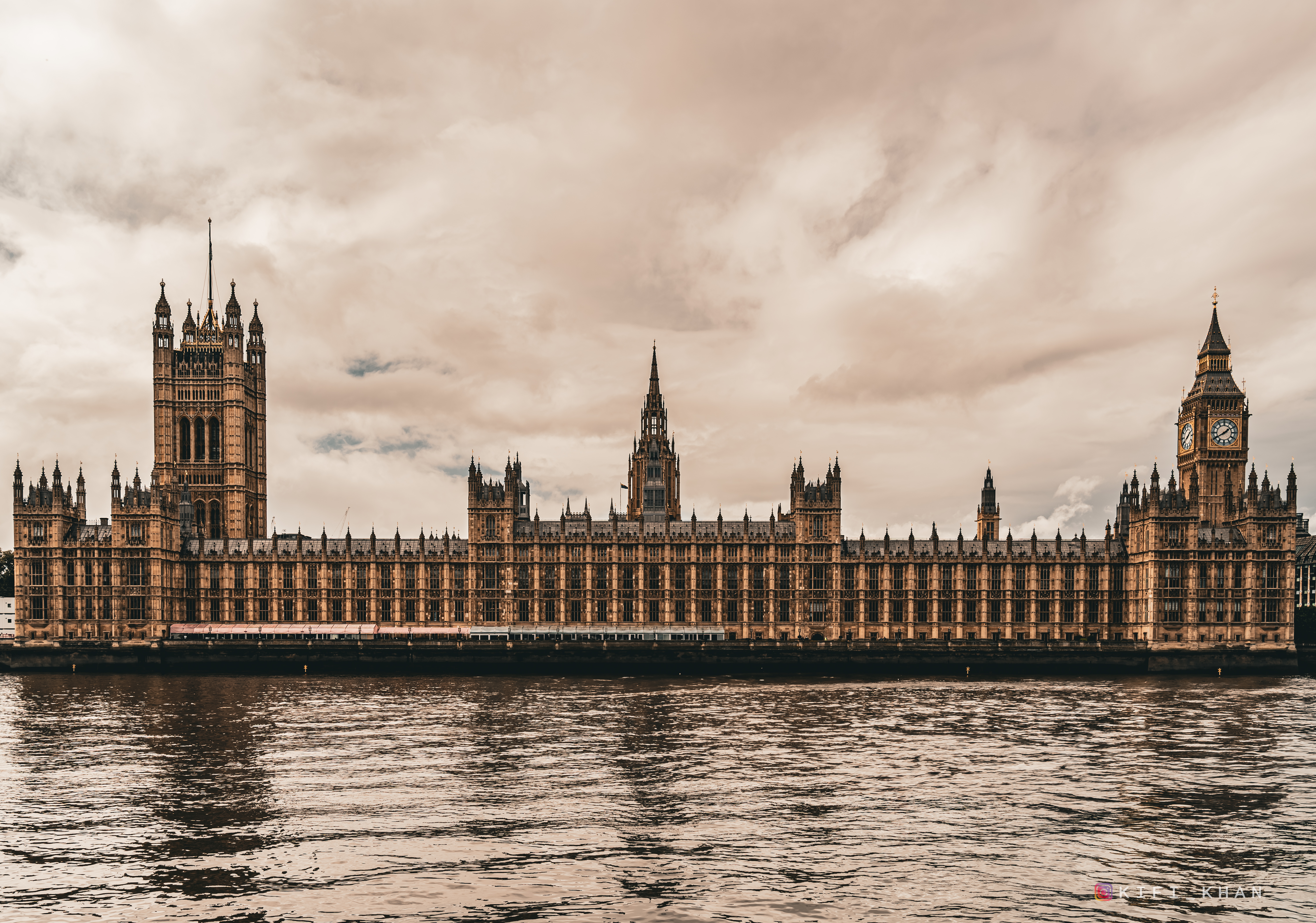
Introduction to Landscape Photography
Landscape photography is an art that allows you to capture the beauty of nature, showcasing breathtaking views and the intricate details of the world around us. Whether you are a beginner or an experienced photographer, understanding the essential elements of landscape photography can enhance your skills and help you produce stunning images.
Essential Gear for Landscape Photography
To get started with landscape photography, having the right gear is crucial. Here’s a list of essential equipment you should consider:
- Camera: A DSLR or mirrorless camera with manual settings will give you greater control.
- Lens: A wide-angle lens is ideal for capturing expansive scenes, while a telephoto lens can help isolate distant features.
- Tripod: A sturdy tripod is essential for stability, especially during long exposures or low-light conditions.
- Filters: Neutral density and polarizing filters can enhance your landscapes by controlling light and reducing glare.
Finding the Perfect Location
Choosing the right location is vital for successful landscape photography. Research and explore different environments, such as mountains, beaches, and forests. Tools like Google Maps and weather apps can help you identify the best spots. Additionally, consider visiting national parks or scenic viewpoints for striking landscapes.
Techniques for Stunning Landscape Shots
1. Composition Techniques
Use the rule of thirds to create a balanced composition. Place the horizon line in the upper or lower third of the frame instead of splitting it in half. Leading lines can also guide the viewer’s eye into the image, creating depth.
2. Lighting Considerations
The golden hour—shortly after sunrise and before sunset—provides soft, diffused light, enhancing the colors and textures of your landscape. Overcast days offer even, scattered light, reducing harsh shadows and highlighting details.
3. Long Exposure Photography
Experimenting with long exposure techniques can add a dreamlike quality to your landscapes. Use a tripod and low ISO settings, and consider using ND filters to extend exposure times for silky smooth water or dynamic skies.
Post-Processing Tips
Editing your images can significantly enhance their visual appeal. Use software like Adobe Lightroom or Photoshop to adjust exposure, contrast, and saturation. Remember to keep edits natural; the goal is to enhance, not overwhelm.
Conclusion and Call to Action
Landscape photography is an exciting avenue for both budding and seasoned photographers. With the right tools, techniques, and a bit of patience, you can capture stunning images of our natural world. Start exploring today, and don’t forget to share your masterpieces with the photography community! For more tips and inspiration, check out our blog and connect with fellow photographers.